
When we truly trust in God, our mind is at peace. It follows then that, when we don’t trust in God, we feel worried and/or anxious. Fear is a symptom of a decision to take matters into our own hands, or to take responsibility for something that’s outside of our control or influence of change. If we allow it to grow, the worry and anxiety can reach a level where it impacts our emotional and physical wellbeing. We need to be sensitive to when we are feeling worried, and consciously make the decision to ‘cast our care’ – to shift the worry back to trust in God. We worry when we think we won’t get what we want or need, when we want or need it. But we must trust in God’s timing and his plan more than our own (Psalm 31:15) and not give way to fear:
‘For God hath not given us the spirit of fear; but of power, and of love, and of a sound mind.’ 2 Timothy 1:7.
In fact, it is when we are fearful that we should trust God more than ever:
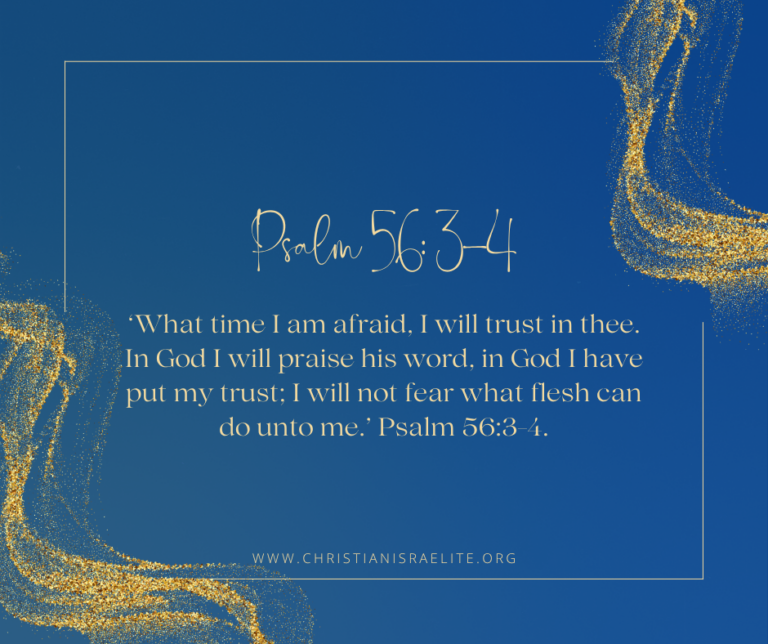
‘What time I am afraid, I will trust in thee. In God I will praise his word, in God I have put my trust; I will not fear what flesh can do unto me.’ Psalm 56:3-4.
God commands us many times throughout the Bible to not give into fear, such as in Joshua 1:9:
‘Have I not commanded you? Be strong and of good courage; do not be afraid, nor be dismayed, for the Lord your God is with you wherever you go.’
Paul encouraged us to take our problems to God rather than worrying about them:
‘Be anxious for nothing, but in everything by prayer and supplication, with thanksgiving, let your requests be made known to God; and the peace of God, which surpasses all understanding, will guard your hearts and minds through Christ Jesus.’ Philippians 4:6-7.
Doing so allows us to keep our mind in the perfect peace Isaiah spoke about (Isaiah 26:3) and for God to have the control he needs to be able to do his work for us on our behalf – control he is not willing to share with us. There is a part we need to play—which we’ll explore next week—but we need to always ensure we are not trying to do God’s part.
View other devotionals in this series