Another challenge that can accompany grief is fear. Many develop a fear of death, whether that be their own death or that of another loved one. We must remember that God ‘hath not given us the spirit of fear; but of power, and of love, and of a sound mind’ (2 Timothy 1:7). We can ‘lie down and sleep in peace’ because God ‘only makest [us to] dwell in safety’ (Psalm 4:8). Jesus encourages us not to fear the future at all (Matthew 6:25-34). Any fearful thoughts we have about the future or otherwise are not from God, and anything not from God is of the devil, who is a liar (John 8:44).
We must cleave to the truth that God gives us a hope-filled future (Jeremiah 29:11) and an abundant life (John 10:10). And, even if it should come, we know that, because of Jesus and through soul salvation, death means returning to God’s presence and living free of worry and torment – not something to be feared:
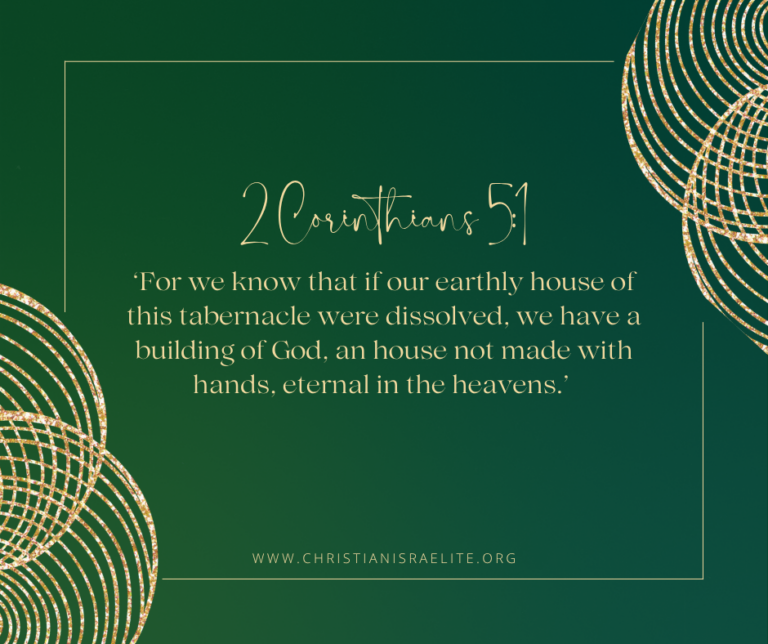
‘For we know that if our earthly house of this tabernacle were dissolved, we have a building of God, an house not made with hands, eternal in the heavens.’ 2 Corinthians 5:1.
'Forasmuch then as the children are partakers of flesh and blood, he also himself likewise took part of the same; that through death he might destroy him that had the power of death, that is, the devil; And deliver them who through fear of death were all their lifetime subject to bondage.' Hebrews 2:15.
Whilst we are alive, God offers those that love him protection from early death. Jesus gave his disciples power—which extends to all Christians—to cast out demons and heal ‘all manner of sickness and all manner of disease’ (Matthew 10:1). James noted that ‘the prayer of faith shall save the sick, and the Lord shall raise him up’ (5:15). God promised the Israelites that he would bring them health, adding that ‘I will cure them, and will reveal unto them the abundance of peace and truth’ (Jeremiah 33:6).
Psalm 91 is full of promises of protection from harm and of a long life for those who love God:
‘Thou shalt not be afraid for the terror by night; nor for the arrow that flieth by day; Nor for the pestilence that walketh in darkness; nor for the destruction that wasteth at noonday. A thousand shall fall at thy side, and ten thousand at thy right hand; but it shall not come nigh thee … There shall no evil befall thee, neither shall any plague come nigh thy dwelling. For he shall give his angels charge over thee, to keep thee in all thy ways ... With long life will I satisfy him, and shew him my salvation.’ vs 5-7, 10-11, 16.
When afflicted with illness, we certainly should not give into death but pursue healing and deliverance, being assured that God is willing to ‘take sickness away from the midst of thee’ (Exodus 23:25). We may need to engage in spiritual warfare and ensure that neither sin nor the devil have place in our lives (Ephesians 6:12), through unforgiveness or otherwise.
But healing is a promise that remains as real for us as it was for those who were healed by Jesus Christ himself. His power is ever present and available, for he says, ‘whosoever liveth and believeth in me shall never die. Believest thou this?’ (John 11:26).
The Bible repeatedly assures us that God wants us to have life (e.g. John 10:28, Deuteronomy 30:19), while the grave is rebuked. Isaiah highlights that it is the living who bring God glory:
‘For the grave cannot praise thee, death cannot celebrate thee: they that go down into the pit cannot hope for thy truth. The living, the living, he shall praise thee, as I do this day.’ Isaiah 38:18-19.
David added to this idea when he wrote, ‘I shall not die, but live, and declare the works of the Lord’ (Psalm 118:17), and ‘in death there is no remembrance of thee: in the grave who shall give thee thanks?’ (Psalm 6:5). It is when we are alive – the way God created us to be – that we most honour God. David again reiterates this idea in Psalm 30:
‘O Lord my God, I cried unto thee, and thou hast healed me. O Lord, thou hast brought up my soul from the grave: thou hast kept me alive, that I should not go down to the pit … What profit is there in my blood, when I go down to the pit? Shall the dust praise thee? shall it declare thy truth? Hear, O Lord, and have mercy upon me: Lord, be thou my helper.’ vs 2-3; 9-10.
Of course, there are some who are not healed, or who are taken far too soon. Sadly, we may never understand why. As Deuteronomy 29:29 says, ‘The secret things belong unto the Lord our God’. There are some things we are not meant to know or that are simply a result of living in a world with sin and evil.
What we do know is that God does not take pleasure in death or cause it, something we’ll explore further next time.
View other devotionals in this series