
It is common for anger and blame to accompany grief as we try to make sense of what often feels like a senseless loss. In their anger, many people blame God when someone they love dies.
In Psalm 22, King David lamented to God in despair (the psalm foreshadowing Jesus’ despair on the cross, where he too felt abandoned by God):
‘My God, my God, why hast thou forsaken me? why art thou so far from helping me, and from the words of my roaring? O my God, I cry in the day time, but thou hearest not; and in the night season, and am not silent.’ vs. 1-2.
However, within the same psalm David remembers that God is faithful, and determines to praise him:
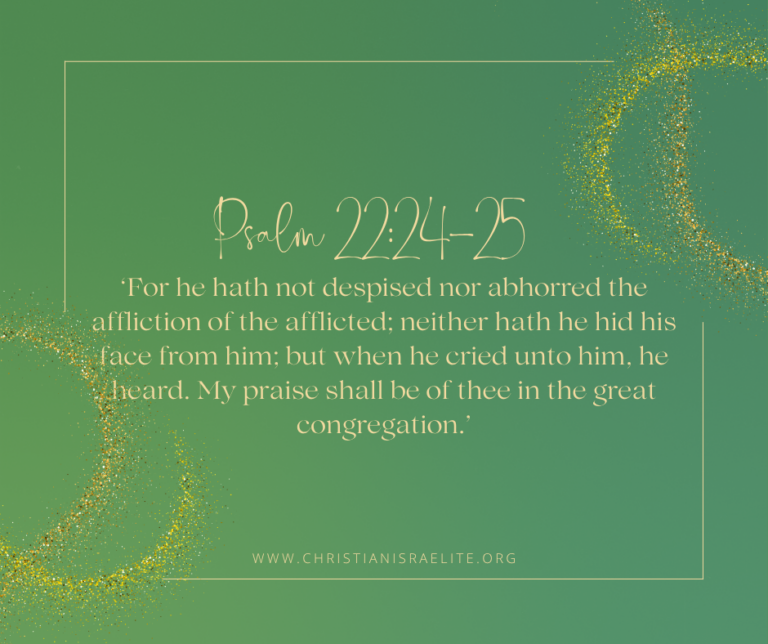
‘For he hath not despised nor abhorred the affliction of the afflicted; neither hath he hid his face from him; but when he cried unto him, he heard. My praise shall be of thee in the great congregation.’ vs 24-25.
Again, we are reminded that death is not part of God’s character or will. If anyone is to be blamed for death, it’s the one who brought death into the world—Satan. God actually so hates death that it is described as his enemy (1 Corinthians 15:26). An enemy is someone or something that actively seeks to harm another, or who is strongly opposed to another’s views. By calling death an enemy, Paul is showing us just how strongly God opposes it. God himself is living (Psalm 42:2), and he wants us to be living too. We were not designed for a world with death in it, and that is why death is so painful.
While we may come to understand that God does not desire death, the question that may still follow is that if he is all powerful and all loving, why did he allow someone to get sick, or die in an accident, or otherwise be harmed unto death? Unfortunately, we must return to the fact that we live in a world corrupted by sin and evil:
‘Wherefore, as by one man sin entered into the world, and death by sin; and so death passed upon all men, for that all have sinned.’ Romans 5:12.
We must also remember that we have free-will, and with it make many choices a day that each lead to either life or death. God encourages us to ‘choose life’ (Deuteronomy 30:19) but does not directly interfere with our choices out of respect for our free-will. While mercy is always available for those who ask for it (Hebrews 4:16), ultimately we still face the consequences of our choices. Sometimes we can even be subject to the consequences of our ancestors’ choices (Numbers 14:18), unless we seek to break generational curses with the help of Jesus Christ.
Ultimately, God and Satan are still at war, with Satan and his evil spirits actively working to trap us into death one way or another. Sickness and death can be a sign of a spiritual warfare, but we don’t always know why death comes, or why God didn’t step in to prevent it. The more senseless the loss, the more difficult it can be to make peace with it.
When we are grieved, traumatised and in despair, it's easy to turn our minds against God through thoughts of blame, anger, doubt, and unbelief. The devil tried this very tactic on Job, telling God that Job would curse God if he lost all of his blessings. Job then proceeded to lose his children, livelihood and health, yet ‘in all this Job sinned not, nor charged God foolishly’ (Job 1:22). His wife encouraged him to curse God just as Satan had hoped he would, but Job refused (Job 2:9-10).
Like Job and David, it’s important that even in our despair we keep our mind focused on the goodness of God and cast down thoughts that rise up against him (2 Corinthians 10:5). If we don’t, the devil can easily tempt us to abandon our faith. Instead of walking into such traps, we need to remember it was God who gave his Son to overcome death and bring us eternal life (John 3:16).
Anger towards our departed loved ones can also delay us from finding peace amidst our grief. Perhaps they made an unwise decision that lead to their death, or died as a result of self-harm, or left behind various problems for the living to deal with on their behalf. Perhaps they hurt a lot of people before they died and never made amends or apologised. Perhaps those who have suffered the loss feel angry due to a sense of abandonment and rejection, as if the deceased made the decision to leave even when it may have been beyond their control.
Anger itself is not a sin, but it can lead to unforgiveness. Paul tells us to forgive one another—whether dead or alive—as Christ forgave us (Colossians 3:13). Doing so prevents grief from being prolonged, and bitterness and resentment from taking root in our hearts. With God’s help, we can come to a place of peace free of the torment of unforgiveness.
Regardless of what the deceased did or didn’t do, God will not leave us bereft or unjustified. It is he who brings us comfort when we need it most, and who offers to be our strength:
'Blessed be God, even the Father of our Lord Jesus Christ, the Father of mercies, and the God of all comfort; Who comforteth us in all our tribulation, that we may be able to comfort them which are in any trouble, by the comfort wherewith we ourselves are comforted of God.' 2 Corinthians 1:3-4.
Next time, we’ll look at how this comfort comes and how it supports us to also comfort others.
View other devotionals in this series